
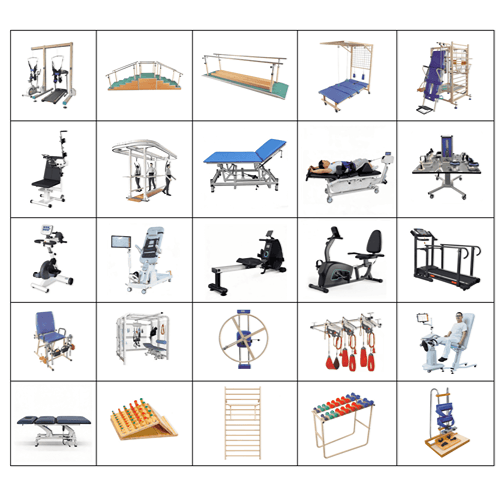
10 Essential Physiotherapy Products That Support Better Recovery
Physiotherapy plays an important role in improving mobility, building strength, reducing discomfort, and supporting recovery after injuries or physical conditions. While professional guidance from a physiotherapist is essential, the right physiotherapy products can make rehabilitation exercises more convenient and effective at home, in clinics, or during recovery sessions.
From resistance bands and exercise balls to therapy equipment and mobility aids, choosing the right products can help patients perform exercises consistently and safely.
1. Resistance Bands
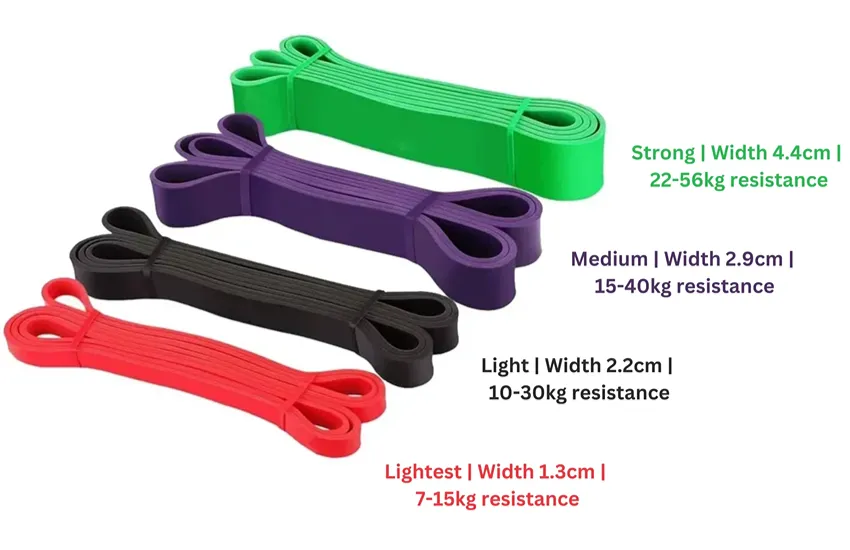
Resistance bands are among the most versatile tools used in physiotherapy and rehabilitation. They provide adjustable resistance for strengthening different muscle groups and can be used for both upper- and lower-body exercises.
They are lightweight, portable, and available in different resistance levels, making them suitable for a variety of rehabilitation programs.
2. Exercise & Therapy Balls
Therapy balls can support exercises designed to improve balance, flexibility, coordination, and core strength. They are commonly used during rehabilitation and fitness routines.
Different sizes and firmness levels allow therapy balls to be used for different exercises and patient requirements.
3. Hand Grip Strengtheners
Hand grip strengtheners are designed to help improve grip strength and hand muscle endurance. They can be useful during rehabilitation following hand, wrist, or forearm injuries.
Regular exercises with an appropriate resistance level can support gradual improvement in hand strength and coordination.
4. Ankle & Wrist Weights
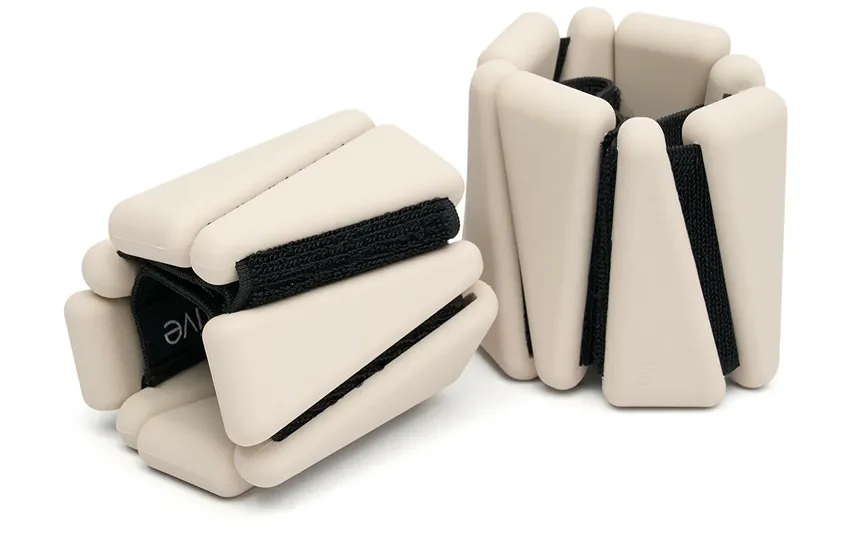
Adjustable weights can add resistance to controlled rehabilitation exercises. They may be incorporated into strengthening routines for the arms and legs under appropriate professional guidance.
Starting with a suitable weight and progressing gradually is important to avoid unnecessary strain.
5. Foam Rollers
Foam rollers are commonly used as part of stretching, mobility, and recovery routines. They can help users work on muscle flexibility and mobility when incorporated correctly into an exercise program.
Different foam roller textures and densities provide different levels of pressure.
6. Balance Boards
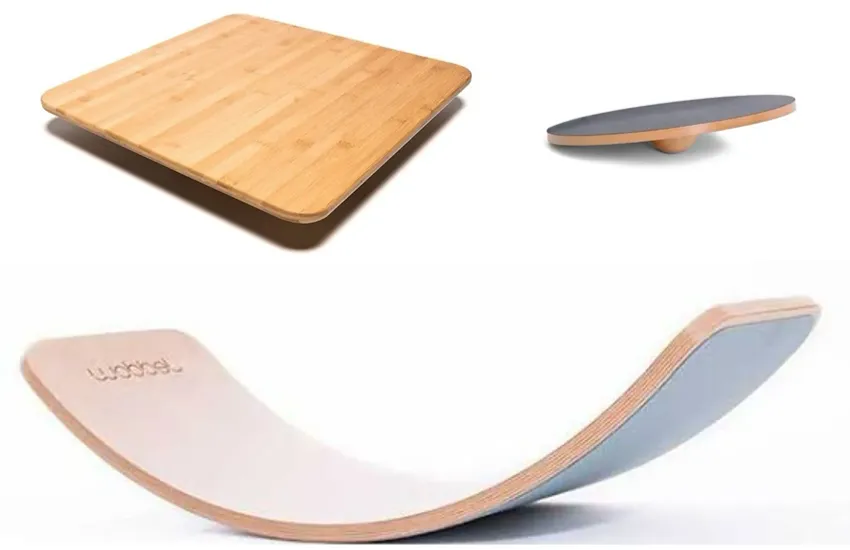
Balance boards can be used for exercises that focus on stability, coordination, and balance. They are particularly useful in rehabilitation programs where controlled balance exercises are recommended.
Because balance exercises can be challenging, users should choose equipment appropriate for their ability level.
7. TENS Units
TENS, or Transcutaneous Electrical Nerve Stimulation, devices deliver mild electrical stimulation through electrodes placed on the skin. TENS may be used as part of certain pain-management approaches.
However, electrical stimulation devices should be used according to professional instructions, especially for people with specific medical conditions or implanted devices.
8. Cervical & Lumbar Support Products
Properly designed support products can be incorporated into rehabilitation and posture-management routines. Cervical and lumbar support products are available in different designs for different needs.
The right product should be selected based on individual requirements rather than simply choosing the most heavily marketed option.
9. Exercise Mats
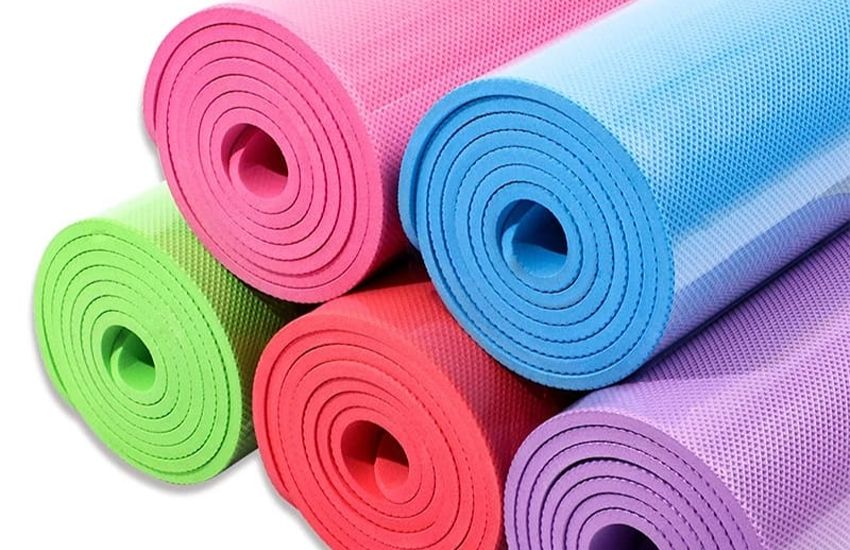
A comfortable, non-slip exercise mat provides a suitable surface for stretching, strengthening, balance exercises, and floor-based physiotherapy routines.
A quality mat can make home exercises more comfortable while providing additional stability during rehabilitation movements.
10. Mobility & Rehabilitation Aids
Mobility aids can help people who require additional support while moving during recovery. Depending on the individual’s needs, options may include walking aids, support equipment, and other rehabilitation accessories.
A physiotherapist or healthcare professional can help determine which type of mobility aid is appropriate.
How to Choose the Right Physiotherapy Products
Not every rehabilitation product is suitable for everyone. Before purchasing equipment, consider:
- The type of rehabilitation required
- Your current strength and mobility
- Product quality and durability
- Appropriate resistance or difficulty level
- Ease of use
- Safety and comfort
- Guidance from a qualified physiotherapist
Using equipment incorrectly or progressing too quickly can potentially increase discomfort or delay recovery.
Why Quality Physiotherapy Equipment Matters
Rehabilitation often requires consistency. Having suitable equipment available at home or in a professional clinic can make it easier to follow an exercise program regularly.
Good-quality physiotherapy products should be practical, durable, comfortable, and appropriate for their intended purpose.
Find Reliable Physiotherapy Products at PakPhysio
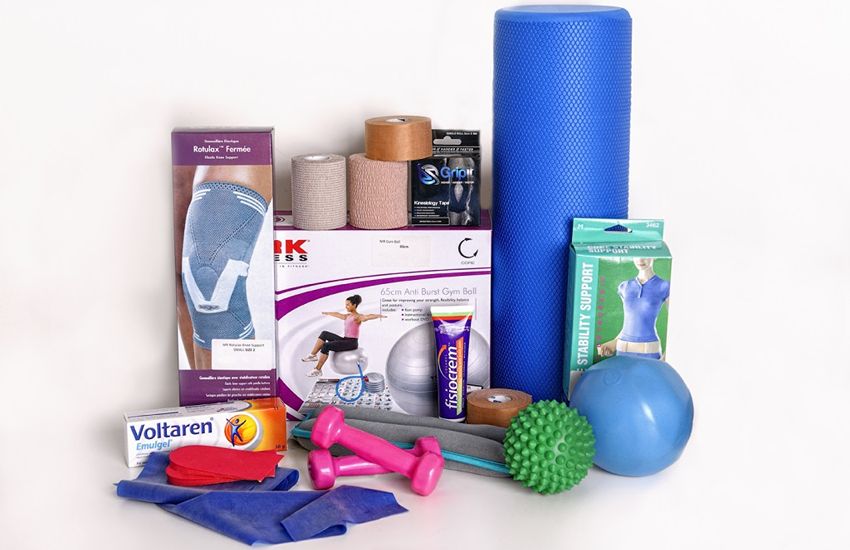
At PakPhysio, we aim to provide dependable physiotherapy and rehabilitation products for clinics, professionals, athletes, and individuals working toward better mobility and physical function.
Whether you are looking for exercise equipment, rehabilitation accessories, mobility products, or therapy tools, choosing the right equipment is an important part of creating a practical rehabilitation environment.
Explore PakPhysio.com to discover physiotherapy products designed to support your recovery and rehabilitation needs.
Disclaimer: Physiotherapy equipment should be used appropriately and, when necessary, under the guidance of a qualified healthcare professional. This article is for general educational purposes and does not replace professional medical advice.


1 Comment. Leave new
Hi, this is a comment.
To get started with moderating, editing, and deleting comments, please visit the Comments screen in the dashboard.
Commenter avatars come from Gravatar.